

There are circuits that host races, and then there are circuits that become part of a sport’s identity. For almost three decades, Phillip Island was the latter for MotoGP. Set against the sweeping coastline of Bass Strait, its fast corners, dramatic elevation changes and unpredictable conditions made it one of the most distinctive stops on the calendar. It was a place where the scenery was unforgettable, but the racing was every bit as spectacular.
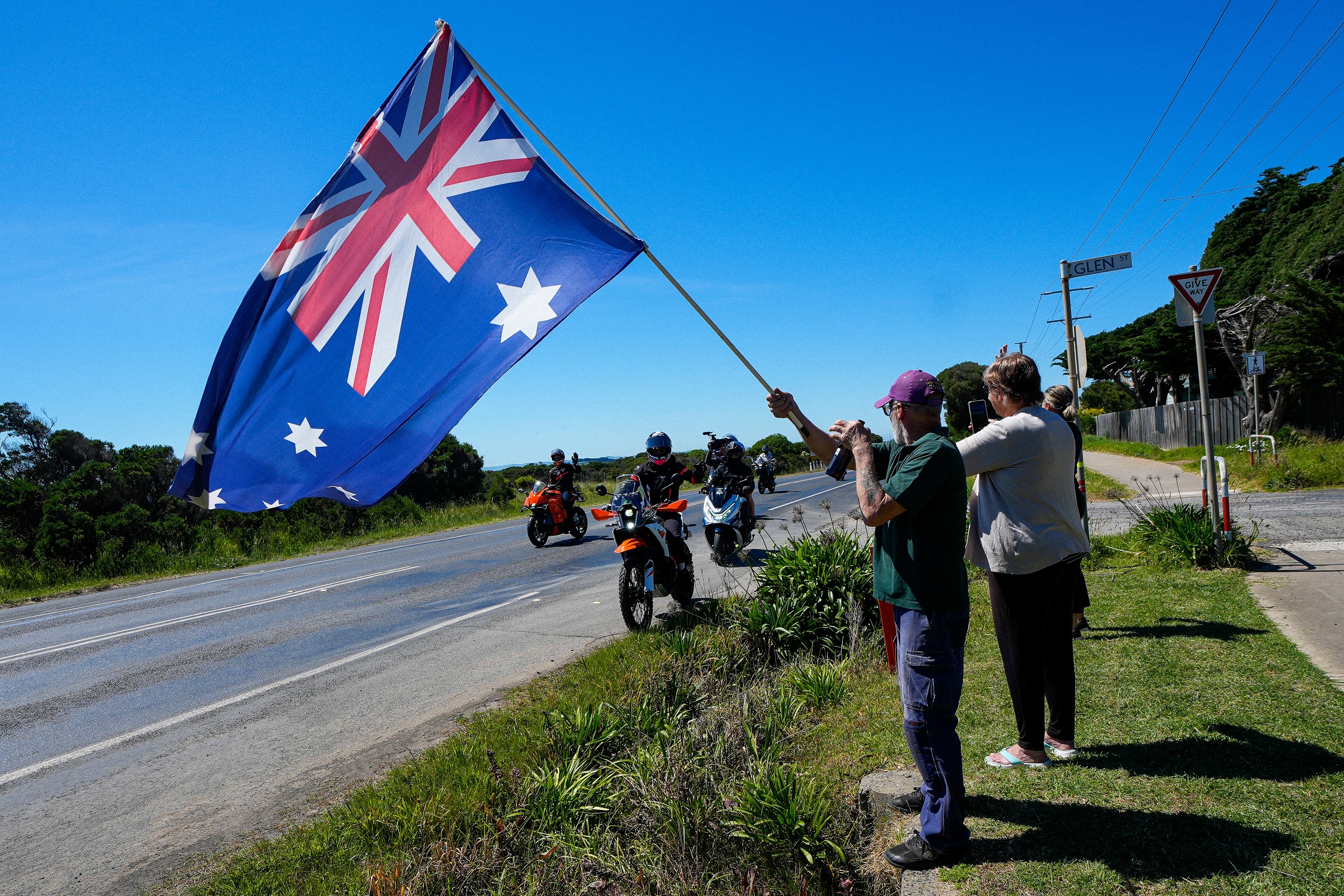
The 2026 Australian Grand Prix was meant to mark the end of that chapter. Instead, poor weather prevented the final race from taking place, leaving the paddock and thousands of fans without the farewell they had travelled to witness. The riders did, however, return to the circuit for one final ride together. Two parade laps behind the safety car, followed by a stop on the main straight to acknowledge the spectators, brought an emotional close to MotoGP’s time at the Island.
It was not the ending anyone had imagined, but it was a reminder of just how much the circuit has meant to the championship.
A History That Predates MotoGP
Phillip Island’s motorsport story stretches back far beyond its time on the Grand Prix calendar. Racing first took place on the island’s public roads in the 1920s, before motorcycle events followed in 1931. Organizers constructed the permanent circuit in the 1950s and held its first major meeting in December 1956.
The venue’s early years were not without difficulty. Extensive track damage forced it to close in 1962, and it was not until Len Lukey purchased the property in 1963 that redevelopment began. Racing returned in 1966, allowing Phillip Island to rebuild its place in Australian motorsport.
Its international motorcycle racing history took a significant step forward in 1989, when it hosted Australia’s first round of the 500cc World Motorcycle Championship. The occasion produced a fitting home victory, with Australian Wayne Gardner taking the win in front of a crowd of more than 90,000.
The Grand Prix returned in 1990, but the Island’s place on the calendar was not yet secure. After losing the event to Sydney’s Eastern Creek in 1991, Phillip Island had to wait six years for its return. The 500cc World Motorcycle GP came back in 1997, beginning the association that would make the circuit synonymous with MotoGP.
A Circuit with Its Own Character
At 4.45 kilometers in length, Phillip Island is not the longest circuit on the calendar, but its layout has consistently provided a unique challenge. It’s a combination of five right-hand and seven left-hand corners, a 900-metre main straight and a series of fast, flowing sections.
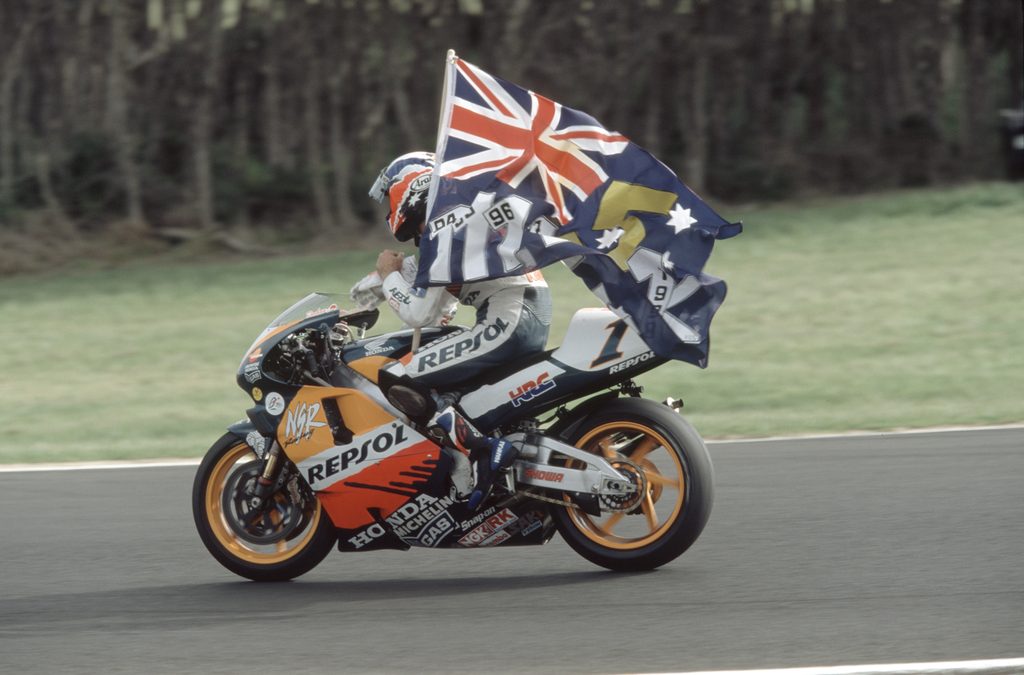
The names given to several of its corners makes the circuit even more iconic. The main straight, known as Gardner Straight, honors the Australian who helped establish the Island on the international racing stage. Turn 1 became Doohan Corner in 1999, recognizing five-time premier-class World Champion Mick Doohan after the career-ending injuries he sustained earlier that year.
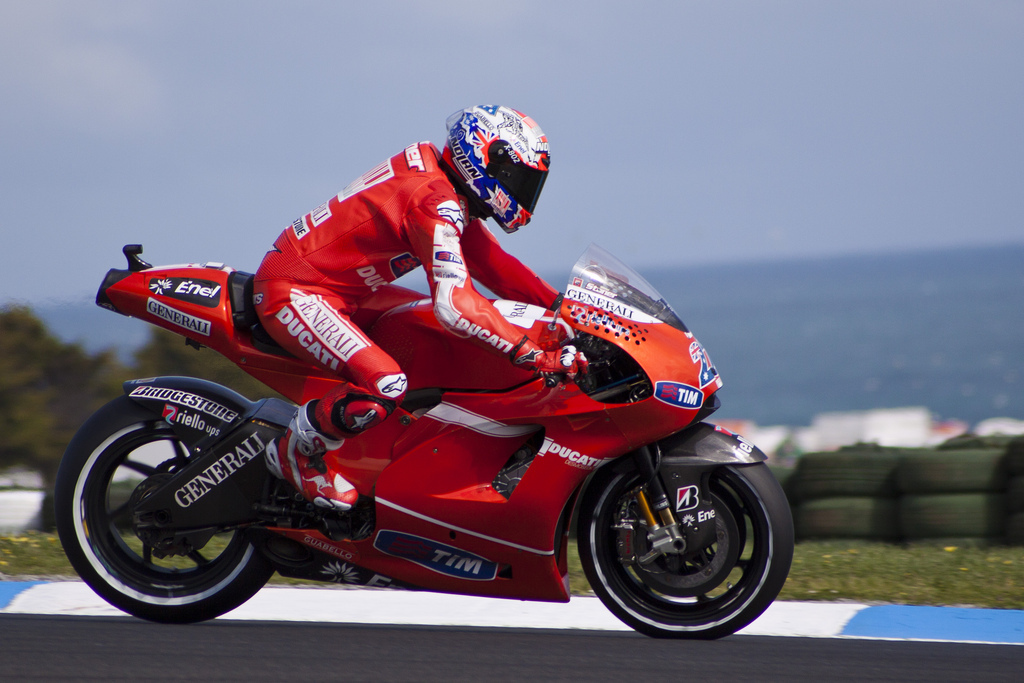
Further around the lap, Stoner Corner pays tribute to another Australian great. Casey Stoner’s connection with Phillip Island was particularly special. He won five consecutive MotoGP races at the circuit before retiring at the end of 2012. Turn 4 is Miller Corner, while the other familiar landmarks include Siberia at Turn 6 and Lukey Heights at Turn 9.
These names give the circuit a sense of identity that extends beyond its layout. They are reminders of the riders who shaped its history and the moments that made it special to Australian fans.
Phillip Island’s location adds another dimension. The circuit sits beside Bass Strait, with the coastline visible from much of the venue. That spectacular setting is part of its appeal, but the exposed location can also bring challenging weather. Wind, rain and changing conditions have often made the race difficult to predict, adding another layer to the circuit.
A Home for Australian Champions
Few venues have had such a strong connection with a country’s motorcycle racing identity. Gardner’s 1989 victory gave the Island an unforgettable beginning in the World Championship. In 1998, Doohan secured his fifth consecutive premier-class title at Phillip Island, making the home event a memorable occasion.
Years later, Stoner created a legacy of his own. His run of five successive MotoGP victories at the circuit remains one of the defining achievements of the Australian Grand Prix. His dominance was a reflection of both his talent and the connection he had with a track that suited his riding style.
More recently, Jack Miller carried the Australian flag into the modern era, giving local supporters another home rider to cheer. The Island has therefore been a place where Australian riders could perform in front of their fans and become part of the venue’s history.
That connection has helped make the Australian Grand Prix feel different from an ordinary round. For local supporters, it was an annual opportunity to celebrate their own racing heritage, while international fans were treated to one of the calendar’s most recognizable settings.
Why Phillip Island Will Be Missed
Phillip Island’s appeal was never based solely on its history. The circuit regularly delivered close racing, with its flowing layout creating opportunities for riders to follow one another closely and challenge under braking. Its fast corners demanded accuracy, while changing conditions could turn a comfortable advantage into a difficult afternoon.
It was also a circuit that rewarded bravery without making precision any less important. A small mistake could cost valuable time, and the combination of high-speed sections and limited opportunities to recover made consistency essential. The result was a venue that often produced unpredictable races and memorable battles.
There is also something distinctive about the atmosphere. The grandstands and hillsides overlooking the circuit, the coastline in the background and the enthusiasm of Australian fans created an experience that was difficult to replicate elsewhere. It was a destination that felt inseparable from the racing itself.
That is what makes the decision to move the Australian Grand Prix particularly significant. From 2027, the event will be held in Adelaide, marking a new chapter for MotoGP in Australia. A city-centre event offers a different setting and the opportunity to bring the championship to a new audience. But it also means leaving behind a circuit that has become an institution, and it’s not coming without controversy.
An Unplanned Goodbye
Sunday, 25 October 2026, was supposed to be Phillip Island’s final MotoGP race. Instead, poor visibility prevented the medical helicopter from operating, leaving race officials without the necessary medical evacuation provision. After the scheduled races were delayed, the MotoGP Grand Prix, along with the Moto2 and Moto3 races, was cancelled.
It was an understandably disappointing outcome for the riders, teams, organizers and spectators. Safety had to take priority, but circumstances meant that the circuit would not receive the send-off it deserved.
There was still one final moment for the paddock to share with the fans. The riders completed two parade laps behind the safety car before stopping on Gardner Straight to greet the crowds who had remained. It was a simple gesture that carried considerable meaning: a chance to acknowledge the supporters, marshals and everyone who had helped make the Island such an important part of the championship.
The final weekend may not have delivered the race anyone wanted, but it did not erase the memories built over decades. From Gardner’s historic victory in 1989 to Doohan’s championship success and Stoner’s remarkable winning streak, Phillip Island has given MotoGP moments that will remain part of its history.
As the championship prepares to begin its Australian chapter in Adelaide, Phillip Island’s place in the sport will not disappear. The circuit will continue to host motorsport, and its legacy will live on through the riders, races and fans who made it special.
Some venues are remembered for their records. Others are remembered for the feeling they leave behind. Phillip Island managed to do both.
Thank you, Phillip Island.
Feature image courtesy of MotoGP