
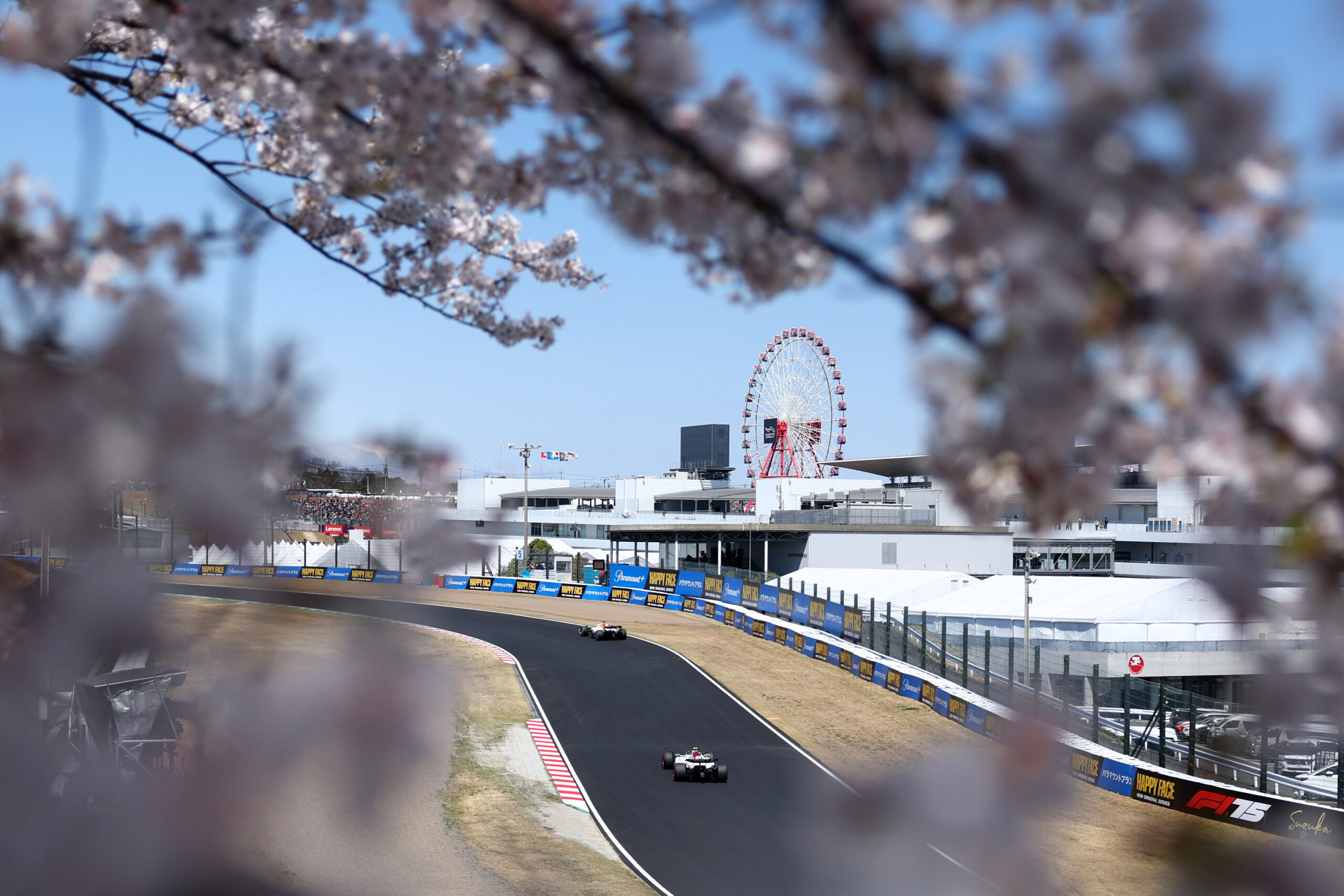

Formula 1 heads to Suzuka for the third round of the 2026 F1 Championship at the Japanese Grand Prix.
With many teams still adjusting to the new regulations, and the cancellation of the Bahrain and Saudi Arabian rounds disrupting the early season rhythm, this weekend carries added significance. Mercedes arrive as the early benchmark after securing back-to-back 1–2 finishes, while McLaren will be looking to bounce back following a difficult start that saw them record a double DNS last time out.
Suzuka Circuit
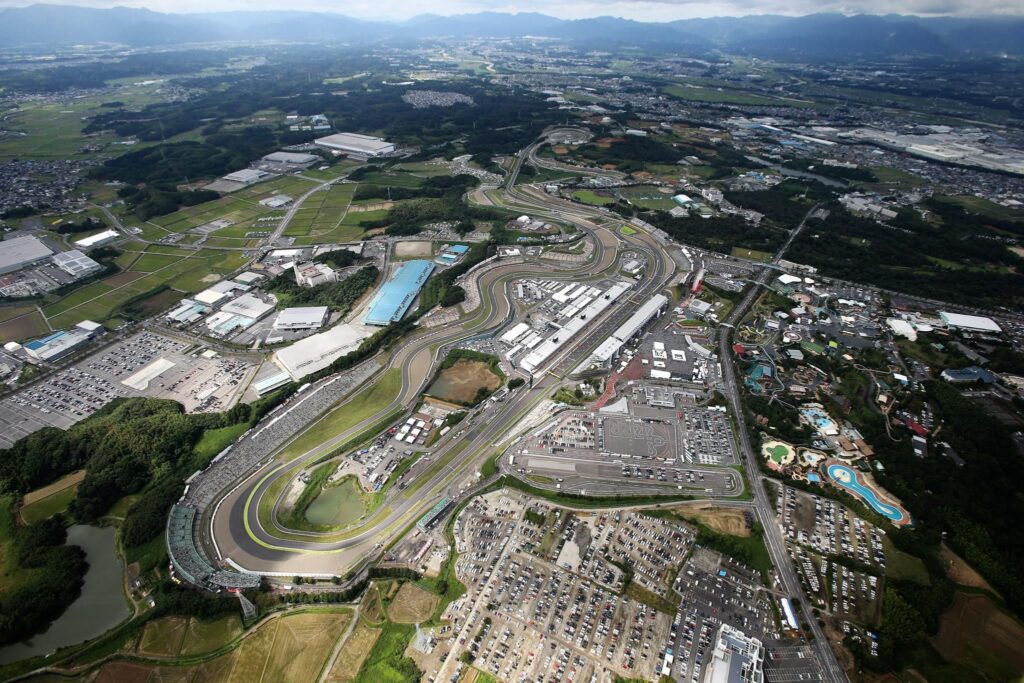
First introduced to Formula 1 in 1987, the Suzuka Circuit is widely regarded as one of the most complete and demanding tracks on the calendar. Originally designed as a Honda test track, it stands out as the only figure-eight circuit in Formula 1, with one section of the track crossing over another via a bridge.
The 5.807 km layout features 18 corners and is defined by its flowing, high-speed nature rather than long straights. The lap begins with the iconic Esses, a sequence of rapid corners that demand precision and rhythm, before tightening through the Degner corners and opening into the Spoon Curve. The lap is then defined by the flat-out 130R, one of the fastest corners in Formula 1, leading into a heavy braking zone at the Casio Triangle chicane, a key overtaking opportunity.
Unlike many modern circuits, Suzuka rewards overall car balance and driver confidence more than outright straight-line speed. The constant lateral load through its sweeping corners places significant stress on tyres, particularly the front-left, making tyre management and degradation a decisive factor over a race distance.
From a competitive standpoint, Suzuka typically favours teams, like Red Bull, with strong aerodynamic efficiency and high-speed cornering stability. While cars with strong top-end speed, such as Ferrari, can challenge into the chicane, success here usually comes down to consistency through the Esses and maintaining momentum across the lap. As a result, race strategy and tyre performance often play a crucial role in determining the outcome on Sunday.
Early Championship Picture
With Bahrain and Saudi Arabia no longer on the calendar, every race carries increased importance in the 2026 title fight. Suzuka, as one of the most technical circuits of the season, could begin to separate the true contenders from the rest of the field.
The nature of the circuit places a greater emphasis on aerodynamic performance and car balance compared to previous rounds. Teams that may have relied on straight-line speed advantages earlier in the season could find themselves exposed, while those with strong high-speed packages are likely to thrive.
Energy deployment will still play a role, but far less than in Shanghai. Instead, the focus shifts towards maintaining consistent performance through long, flowing corners and managing tyre wear over extended stints.
Mercedes’ Early Advantage
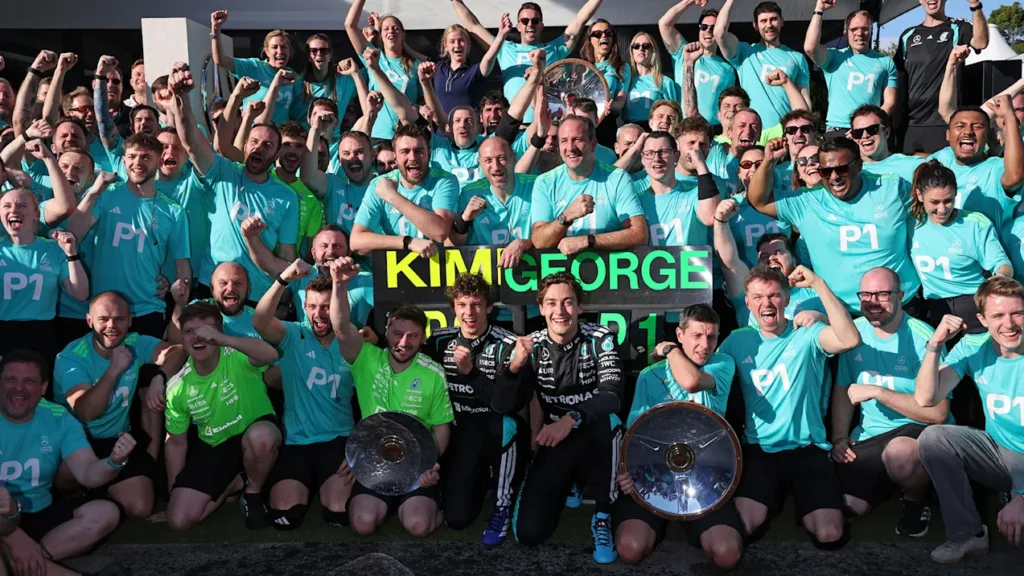
Mercedes arrive in Japan with strong momentum following consecutive 1–2 finishes to start the season. George Russell has already demonstrated he has the pace, while Kimi Antonelli continues to impress after securing his first victory. However, Suzuka presents a different kind of test. While Mercedes have shown strong overall balance and tyre management, this weekend will reveal whether they can match their rivals in high-speed aerodynamic performance.
Both Ferrari and McLaren will see Suzuka as an opportunity to close the gap. Charles Leclerc and Lewis Hamilton are expected to be competitive, particularly if Ferrari can maximise their straight-line performance without compromising cornering stability.
Meanwhile, Max Verstappen will be aiming to return to form at a circuit that suits Red Bull’s strengths. The flowing nature of Suzuka aligns well with his driving style, making him a strong contender for his fifth pole position at the circuit. McLaren, after a difficult start to the season, will be hoping for a cleaner weekend. Lando Norris and Oscar Piastri will need to capitalise on any opportunities to bring themselves back into contention.
What To Watch For This Weekend
Suzuka offers fewer overtaking opportunities than circuits like Shanghai, meaning track position and qualifying performance will be crucial. The run through the Esses and into Spoon Curve rewards precision, while mistakes are often heavily punished. Tyre wear will be a defining factor, with the long, high-speed corners placing sustained stress on the tyres throughout the lap. Teams that can manage degradation effectively while maintaining pace will have a significant advantage on Sunday.
With its demanding layout and unforgiving nature, the Japanese Grand Prix is often seen as a true test of both car and driver. As the 2026 season begins to take shape, Suzuka could provide one of the clearest indicators yet of who has the edge in this year’s championship battle.
F1 begins at 2:30am GMT on Friday for Free Practice One, while the Race will occur at 6am GMT on Sunday.